The RaDonda Vaught Case: What Every Nurse Can Learn About Medication Safety, Accountability, and Just Culture
Published: July 22, 2026
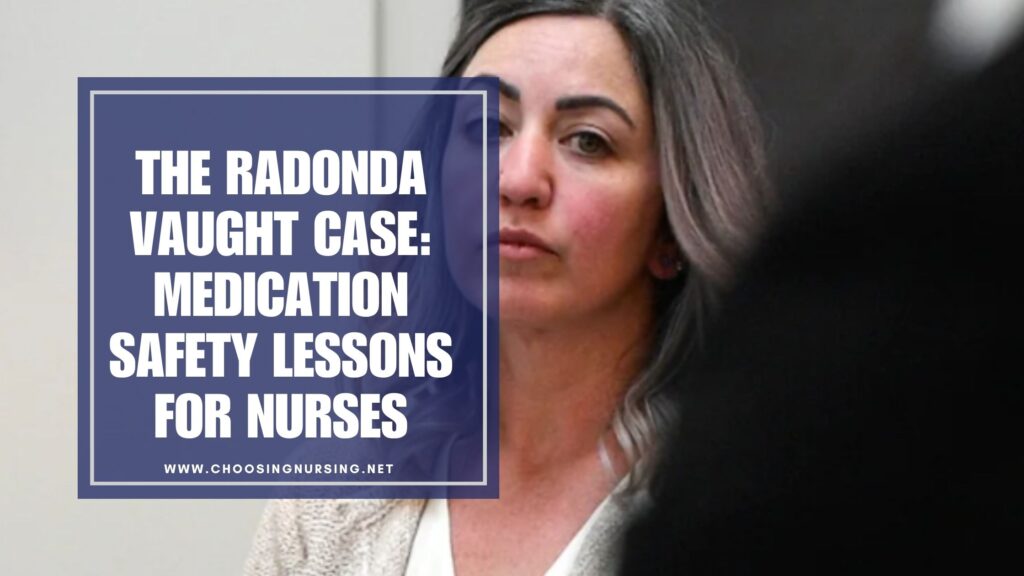
Medication administration is one of the most important responsibilities nurses perform every day. Although millions of medications are safely administered each year, rare but devastating errors can occur. One of the most widely discussed cases in modern nursing history is that of former Tennessee nurse RaDonda Vaught, whose criminal prosecution sparked nationwide conversations about patient safety, nursing accountability, medication systems, and the future of healthcare.
The case has divided opinions across the healthcare industry. Some believe criminal charges were appropriate because of the seriousness of the mistakes involved, while others argue that prosecuting healthcare professionals for unintentional medical errors discourages transparency and ultimately makes patients less safe.
Regardless of where someone stands, the case provides valuable lessons that every nursing student, new graduate, and experienced nurse should understand.
What Happened?
In December 2017, 75-year-old patient Charlene Murphey was admitted to Vanderbilt University Medical Center in Nashville, Tennessee.
Before undergoing a PET scan, Murphey was ordered to receive Versed (midazolam), a medication commonly used for procedural sedation.
Former nurse RaDonda Vaught attempted to retrieve the medication from an automated medication dispensing cabinet. Unable to immediately locate the medication, she used the machine’s override function—a practice that testimony later suggested was commonly used during workflow challenges at the hospital.
Instead of removing Versed, she accidentally selected vecuronium, a powerful neuromuscular blocking agent (paralytic medication).
Several critical safety steps were missed before administration:
- The medication label was not fully verified.
- The medication required reconstitution, which differs from how Versed is commonly prepared.
- The paralytic warning label was overlooked.
- The patient was not continuously monitored after administration.
Murphey suffered respiratory arrest and later died from the medication error. Vaught immediately informed coworkers after recognizing the mistake, and an internal investigation followed.
The Criminal Case
Unlike most medication errors, this case eventually became a criminal matter.
In 2022, a Tennessee jury convicted Vaught of:
- Criminally negligent homicide
- Gross neglect of an impaired adult
She was acquitted of the more serious reckless homicide charge.
Later that year, she was sentenced to three years of supervised probation rather than prison time.
Why This Case Became So Controversial
Medication errors unfortunately occur in healthcare despite multiple safety systems designed to prevent them.
Historically, most hospitals have addressed unintentional errors through:
- Root cause analysis
- Process improvements
- Additional education
- System redesign
- Quality improvement initiatives
The Vaught prosecution was unusual because criminal charges were brought against a nurse for an unintentional medication error.
This led many healthcare organizations to question whether criminal prosecution could discourage healthcare workers from reporting mistakes or near misses, potentially reducing opportunities to improve patient safety. Professional organizations including the American Nurses Association and others expressed concern that fear of prosecution could undermine a culture of safety.
Understanding “Just Culture”
One concept repeatedly discussed during the case is Just Culture.
Just Culture is a patient safety philosophy that seeks to balance accountability with learning.
Instead of automatically blaming individuals, organizations examine whether system factors contributed to an event while still holding healthcare professionals accountable for reckless behavior when appropriate.
A Just Culture generally recognizes three categories:
Human Error
These are unintended mistakes.
Examples include:
- Accidentally selecting the wrong medication
- Misreading a label
- Documentation errors
The response focuses on improving systems rather than punishment.
At-Risk Behavior
These involve taking shortcuts or bypassing safeguards without recognizing the increased risk.
Examples include:
- Ignoring barcode scanning
- Frequently overriding medication cabinets
- Skipping independent double checks
The response usually involves coaching, education, and reducing incentives for unsafe behaviors.
Reckless Behavior
These involve conscious disregard for substantial risk.
Examples may include:
- Practicing while impaired
- Intentionally ignoring critical safety procedures
- Deliberately violating established policies
These situations may warrant disciplinary action.
Many experts argued that the Vaught case raised difficult questions about where this medication error fit within those categories.
System Factors Also Matter
One reason the case received national attention was testimony describing broader system issues present at the hospital during the event.
Reports discussed factors including:
- Frequent medication cabinet overrides
- Workflow interruptions
- Technology implementation challenges
- Electronic health record transitions
- Heavy reliance on automated dispensing systems
Patient safety experts emphasize that healthcare errors often result from multiple contributing factors rather than a single failure. This systems-based approach has become a central principle of modern patient safety science.
Medication Safety Lessons Every Nurse Should Remember
Although every clinical situation is different, this case reinforces several important safety principles.
1. Never Skip the Medication Rights
Always verify:
- Right patient
- Right medication
- Right dose
- Right route
- Right time
- Right documentation
Many facilities also include:
- Right reason
- Right assessment
- Right response
- Right education
2. Read the Entire Medication Label
Never rely only on:
- Medication location
- Partial drug names
- Package color
- Memory
Always carefully read the medication label before administration.
3. Be Cautious With Overrides
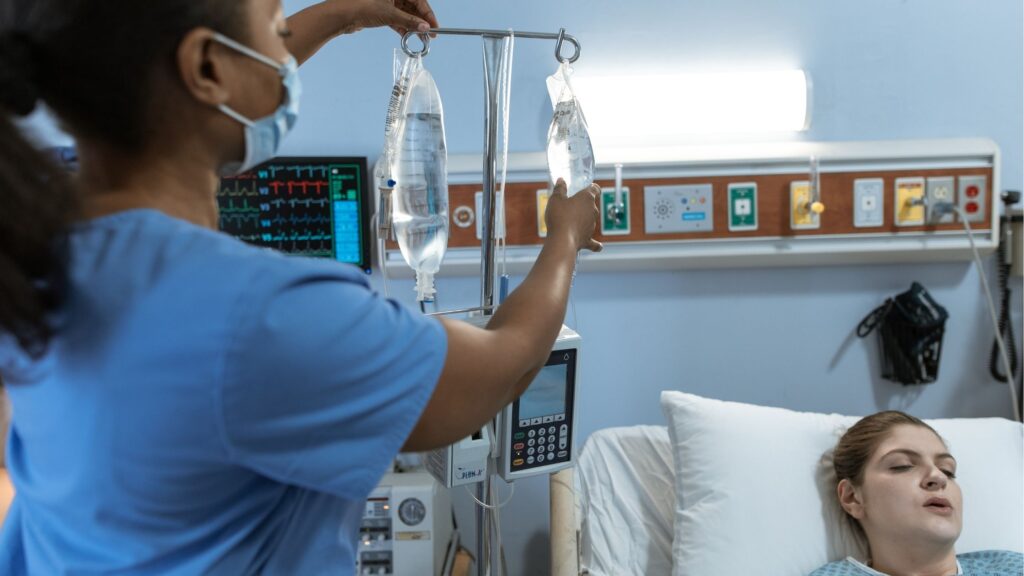
Automated dispensing cabinet overrides exist for emergencies, but they bypass normal safety checks.
Whenever possible:
- Confirm the medication order.
- Verify the drug independently.
- Understand why an override is necessary.
4. Recognize High-Alert Medications
Certain medications require extra vigilance because they can cause serious harm if administered incorrectly.
Examples include:
- Neuromuscular blocking agents
- Insulin
- Heparin
- Opioids
- Chemotherapy medications
Always follow your organization’s policies for these medications.
5. Minimize Distractions
Medication administration requires focused attention.
Whenever feasible:
- Avoid multitasking.
- Limit interruptions.
- Complete one medication process before beginning another.
6. Speak Up About Unsafe Systems
Healthcare safety improves when nurses report:
- Equipment problems
- Workflow issues
- Technology failures
- Near misses
- Unsafe staffing concerns
Reporting hazards before harm occurs can protect future patients.
The Lasting Impact on Nursing
Years after the conviction, the case continues to influence conversations about patient safety, legal accountability, and nursing practice.
Many nursing educators now use the case as a teaching example when discussing:
- Medication administration
- Human factors engineering
- Error prevention
- Professional accountability
- Just Culture
- Patient safety systems
The case has also prompted many hospitals to review medication dispensing processes, override practices, and safety protocols.
Key Takeaways
The RaDonda Vaught case remains one of the most influential patient safety cases in modern nursing history. It illustrates how devastating medication errors can be while also highlighting the importance of strong safety systems, effective communication, and continual vigilance during medication administration.
For nurses, the goal is not simply to avoid mistakes—it is to build habits that consistently reduce risk, recognize unsafe situations early, and contribute to a healthcare culture where patient safety is everyone’s responsibility.
Every medication administration deserves your full attention. Every safety check matters. And every lesson learned from past events has the potential to prevent future harm.
Continue Building Your Medication Safety Knowledge
Understanding medication safety takes more than memorizing drug names—it requires developing strong clinical judgment, recognizing high-risk situations, and applying safe nursing practices every day.

At Choosing Nursing Plus, members gain access to:
- Hundreds of NCLEX-style pharmacology practice questions
- Medication safety review videos
- Disease-specific study guides
- Nursing skills tutorials
- Comprehensive nursing video library
- Printable study resources designed for nursing students and practicing nurses
Whether you’re preparing for nursing school, the NCLEX, or strengthening your clinical knowledge, continuing education is one of the best ways to improve confidence and promote safer patient care.
FAQ Schema Questions (Excellent for Google)
What happened in the RaDonda Vaught case?
Former Vanderbilt nurse RaDonda Vaught accidentally administered vecuronium instead of Versed to a patient in 2017. The medication error resulted in the patient’s death and later led to criminal charges, drawing national attention to medication safety and healthcare accountability.
Why is the RaDonda Vaught case important?
The case sparked widespread debate about medication safety, Just Culture, system failures, and whether healthcare professionals should face criminal prosecution for unintentional medical errors.
What medication error did RaDonda Vaught make?
The patient was prescribed Versed (midazolam), but Vaught accidentally administered vecuronium, a neuromuscular blocking agent, after overriding an automated medication dispensing cabinet.
What is Just Culture in nursing?
Just Culture is a patient safety philosophy that promotes learning from human error while maintaining accountability for reckless behavior. It encourages reporting errors to improve healthcare systems rather than relying solely on punishment.
How can nurses prevent medication errors?
Nurses can reduce medication errors by following the rights of medication administration, carefully verifying medication labels, minimizing distractions, using overrides only when appropriate, recognizing high-alert medications, and reporting safety concerns.
Additional Reading
- How to Turn Your NCLEX Knowledge Into a Six-Figure Business https://choosingnursing.net/how-to-turn-your-nclex-knowledge-into-a-six-figure-business/
- I’ve Applied to Over 100 Nursing Jobs Places and Nothing! Now What? https://choosingnursing.net/applied-to-over-100-nursing-jobs/
- Which Specialty Should I Choose? https://choosingnursing.net/which-specialty-should-i-choose/
- How to Use the STAR Method to Ace Any Nursing Interview (With Examples) https://choosingnursing.net/how-to-use-the-star-method/
- Black ICU Nurse Wins $20 Million Lawsuit Against Hospital https://choosingnursing.net/black-icu-nurse-20-million-lawsuit-verdict/
- Barabanki YouTube Surgery Case: Woman Dies After Fake Doctor Attempts Surgery Using YouTube Tutorial https://choosingnursing.net/barabanki-youtube-surgery-medical-negligence-case/
- Top 10 States Where Nurses Earn the Most After Cost of Living (2026) https://choosingnursing.net/nurses-pay-adjusted-for-cost-of-living/
- Nurse Salary by State 2026: Top Paying Locations https://choosingnursing.net/nurse-salary-by-state-206-top-paying/