Nurse Dies During Cosmetic Surgery in Colombia: What We Know and the Safety Lessons for Patients
Published: July 22, 2026
A tragic cosmetic surgery case in Colombia has once again raised concerns about the risks associated with elective cosmetic procedures and the importance of carefully evaluating surgical facilities before undergoing treatment.
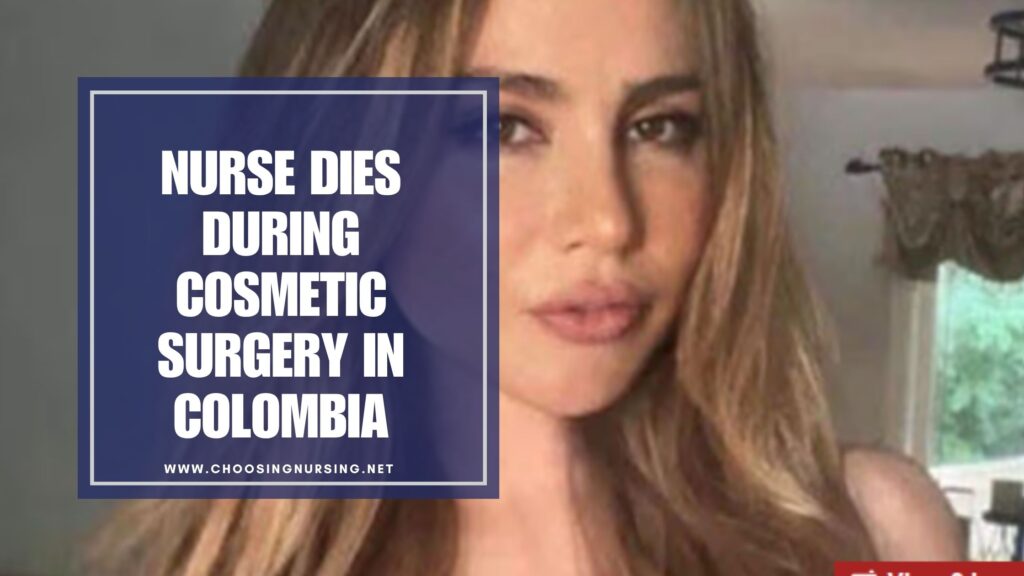
According to multiple news reports, Paula Andrea Beltrán Sandoval, a 41-year-old nursing assistant originally from Medellín who had been living and working in New York, died while undergoing surgery to remove cosmetic filler material from her buttocks. Authorities in Colombia are investigating the circumstances surrounding her death.
What Happened?
Reports indicate that Beltrán traveled from New York to Medellín, Colombia, for a procedure intended to remove biopolymer fillers that had previously been injected into her buttocks.
The surgery reportedly took place on June 18, 2026, at a clinic located within the El Tesoro shopping complex in Medellín. Approximately 70 minutes after the operation began, she experienced a cardiorespiratory arrest. Despite more than 40 minutes of advanced resuscitation efforts, medical staff were unable to revive her, and she was pronounced dead during the procedure.
Officials have stated that an autopsy and formal investigation are underway to determine the exact cause of death.
Why Was She Having the Procedure?
According to published reports, Beltrán sought surgery because she had developed health problems related to biopolymer fillers, substances that have been used illegally or improperly in some cosmetic enhancement procedures.
Biopolymers are synthetic materials that are sometimes injected into areas such as the buttocks for cosmetic enlargement. Medical experts warn that these materials can cause serious complications months or even years after injection.
Potential complications include:
- Chronic pain
- Persistent inflammation
- Infection
- Tissue damage (necrosis)
- Migration of the filler to other parts of the body
- Hardening or deformity
- Difficulty removing the material completely
Because of these risks, the use of biopolymers for cosmetic enhancement is prohibited in Colombia and many other countries.
Understanding the Risks of Cosmetic Surgery
Millions of cosmetic procedures are performed safely worldwide each year. However, every surgical procedure carries some degree of risk, regardless of whether it is considered elective.
Possible complications include:
- Bleeding
- Infection
- Blood clots
- Adverse reactions to anesthesia
- Cardiac complications
- Respiratory complications
- Unexpected surgical emergencies
Certain procedures involving large-volume body contouring or filler removal may present additional challenges because of scarring, inflammation, or previous tissue damage.
What Is Medical Tourism?
Beltrán’s case also highlights the growing practice of medical tourism, where patients travel to another country for healthcare or cosmetic procedures.
People may choose medical tourism for several reasons, including:
- Lower costs
- Access to specialists
- Shorter wait times
- Availability of procedures not offered locally
While many international healthcare facilities provide excellent care, experts recommend that patients thoroughly research any clinic before scheduling surgery.
Important questions to ask include:
- Is the surgeon board-certified?
- Is the surgical facility properly accredited?
- What emergency resources are available?
- Who provides follow-up care after surgery?
- What are the surgeon’s complication rates?
- What happens if an emergency occurs?

Cosmetic Fillers Are Not All the Same
It is important to distinguish between FDA-approved dermal fillers used for facial cosmetic procedures and illegal biopolymer injections.
Approved fillers are typically intended for specific facial applications and are administered under regulated conditions.
Biopolymers, industrial silicone, and other unauthorized injectable materials have been associated with severe complications and are not considered safe for cosmetic body enhancement.
Investigation Continues
Colombian authorities have opened an investigation into Beltrán’s death. Officials are expected to review:
- The findings of the autopsy
- The clinic’s operating licenses
- Medical documentation
- Staff qualifications
- Whether all applicable healthcare regulations were followed
At this time, investigators have not publicly announced an official cause of death or indicated whether any wrongdoing occurred. The investigation remains ongoing.
Lessons for Healthcare Professionals and Patients
Although tragic, this case serves as an important reminder that no surgical procedure is entirely without risk.
Patients considering cosmetic surgery should:
- Research their surgeon thoroughly.
- Verify clinic accreditation.
- Understand the potential complications.
- Discuss emergency plans before surgery.
- Carefully weigh the risks and benefits of elective procedures.
Healthcare professionals can also play an important role by educating patients about safe cosmetic practices, recognizing complications associated with injectable materials, and encouraging individuals to seek care from qualified medical providers.
Final Thoughts
The death of Paula Andrea Beltrán Sandoval is a heartbreaking reminder that even elective cosmetic procedures can have serious, and sometimes fatal, complications. While investigations continue to determine exactly what occurred, the case underscores the importance of patient education, informed decision-making, and high standards of surgical safety.
Anyone considering cosmetic surgery should work closely with qualified healthcare professionals, ask detailed questions about the procedure, and ensure that both the surgeon and facility meet recognized safety standards before moving forward.
Additional Reading
- How to Turn Your NCLEX Knowledge Into a Six-Figure Business https://choosingnursing.net/how-to-turn-your-nclex-knowledge-into-a-six-figure-business/
- I’ve Applied to Over 100 Nursing Jobs Places and Nothing! Now What? https://choosingnursing.net/applied-to-over-100-nursing-jobs/
- Which Specialty Should I Choose? https://choosingnursing.net/which-specialty-should-i-choose/
- How to Use the STAR Method to Ace Any Nursing Interview (With Examples) https://choosingnursing.net/how-to-use-the-star-method/
- Black ICU Nurse Wins $20 Million Lawsuit Against Hospital https://choosingnursing.net/black-icu-nurse-20-million-lawsuit-verdict/
- Barabanki YouTube Surgery Case: Woman Dies After Fake Doctor Attempts Surgery Using YouTube Tutorial https://choosingnursing.net/barabanki-youtube-surgery-medical-negligence-case/
- Top 10 States Where Nurses Earn the Most After Cost of Living (2026) https://choosingnursing.net/nurses-pay-adjusted-for-cost-of-living/
- Nurse Salary by State 2026: Top Paying Locations https://choosingnursing.net/nurse-salary-by-state-206-top-paying/