Florida nurse stole fentanyl
Published: July 2026
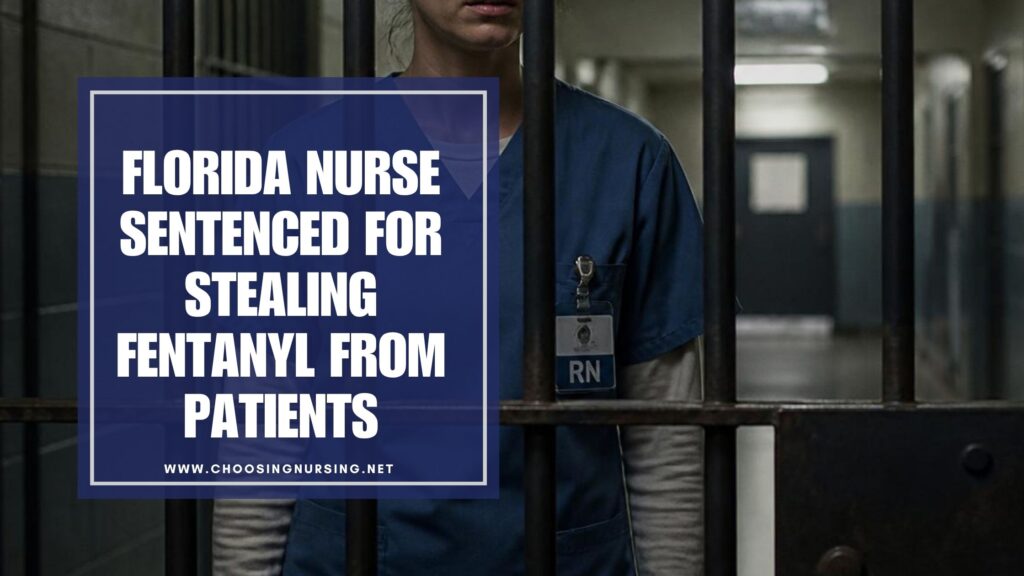
A former Florida registered nurse has been sentenced to federal prison after admitting to stealing fentanyl and other medications intended for hospital patients, replacing them with saline before the drugs were administered during medical procedures.
The case has drawn national attention because it highlights the serious consequences of drug diversion in healthcare and the risks it poses to patient safety. It also serves as a reminder of the importance of strong medication security systems and early intervention for healthcare professionals struggling with substance use disorders.
What Happened?
According to the U.S. Attorney’s Office for the Southern District of Florida, Emmanuel Valentin, a 40-year-old registered nurse from Miami, worked in a hospital’s cardiac catheterization laboratory between July and August 2023.
Federal prosecutors said Valentin repeatedly removed medical-grade fentanyl and midazolam from medication vials that were intended for patients undergoing cardiac procedures.
After extracting the medications for his own personal use, investigators said he filled the vials with saline solution and returned them to circulation, knowing they would later be administered to patients during procedures such as cardiac catheterizations and coronary stent placements.
Additional Allegations
Investigators reported that Valentin also retrieved used medication vials from biohazard waste containers, refilled them with saline, and substituted them for the medications he had stolen.
Because the discarded vials had been exposed to contaminated medical waste, prosecutors stated that his actions potentially exposed patients to blood-borne infections, including Hepatitis C, in addition to depriving them of adequate pain control during invasive procedures.
Criminal Charges and Sentence
Valentin pleaded guilty in federal court to tampering with consumer products in December 2024.
In March 2025, a federal judge sentenced him to 26 months in federal prison.
Court records also indicate that Valentin previously admitted in a separate state case to stealing fentanyl from another Miami-area hospital several months before the federal offenses.
How the Hospital Responded
After discovering the medication diversion, the hospital:
- Immediately terminated the nurse’s employment.
- Notified patients who may have been affected.
- Offered free blood testing to evaluate potential exposure to infectious diseases.
- Cooperated with law enforcement during the investigation.
Officials reported that no acute infections were identified among the affected patients during the follow-up testing.
What Is Drug Diversion?
Drug diversion occurs when prescription medications intended for patients are illegally redirected for someone else’s use.
Within healthcare settings, diversion may involve:
- Stealing medications from automated dispensing cabinets
- Removing medication from patient doses
- Altering medication records
- Substituting medications with another substance
- Falsifying medication administration documentation
Controlled substances most commonly involved include:
- Fentanyl
- Morphine
- Hydromorphone (Dilaudid)
- Midazolam (Versed)
- Oxycodone
Drug diversion is considered both a patient safety issue and a criminal offense.
Why Drug Diversion Is Dangerous
When controlled substances are diverted, patients may experience serious consequences, including:
Inadequate Pain Control
Patients undergoing invasive procedures may receive little or no effective pain medication, resulting in unnecessary suffering.
Delayed Recovery
Poor pain management can interfere with healing, mobility, and overall recovery.
Infection Risk
If medications or vials are tampered with, patients may be exposed to bacteria or blood-borne pathogens.
Loss of Trust
Healthcare depends on patient confidence. Medication tampering can undermine trust in healthcare professionals and institutions.
Recognizing Warning Signs of Drug Diversion
Healthcare organizations monitor for behaviors that may suggest diversion, such as:
- Frequent discrepancies in medication counts
- Excessive wasting of controlled substances
- Frequent overrides of automated dispensing cabinets
- Requests to care for patients receiving large amounts of narcotics
- Documentation inconsistencies
- Missing medications
- Unusual medication administration patterns
It’s important to note that these behaviors do not automatically indicate diversion but may warrant further review.
Substance Use Disorder Among Healthcare Professionals
Healthcare professionals are not immune to substance use disorders.
Risk factors may include:
- Easy access to controlled medications
- High workplace stress
- Long shifts
- Burnout
- Untreated mental health conditions
- Personal addiction
Many state nursing boards operate alternative-to-discipline programs that allow eligible nurses to receive treatment and monitoring while protecting patient safety. However, intentional diversion of medications and patient harm may still result in criminal prosecution.
Preventing Drug Diversion in Healthcare
Hospitals use multiple safeguards to reduce diversion, including:
- Automated dispensing cabinet audits
- Barcode medication administration
- Witnessed wasting of controlled substances
- Random drug screening when appropriate
- Controlled substance reconciliation
- Pharmacy surveillance
- Security cameras in medication preparation areas
- Staff education on diversion prevention
Early reporting and investigation are essential to protecting patients.
Lessons for Nurses
This case serves as a powerful reminder of the ethical and legal responsibilities that accompany nursing practice.
Every nurse has a duty to:
- Safeguard controlled medications.
- Follow medication administration policies.
- Report suspected diversion promptly.
- Seek help if struggling with substance use.
- Place patient safety above all else.
Drug diversion not only violates professional ethics but can also expose patients to significant physical and emotional harm.
Final Thoughts
The sentencing of Emmanuel Valentin underscores the serious consequences of diverting medications intended for vulnerable patients. While healthcare organizations continue to strengthen safeguards against diversion, individual accountability remains a critical component of patient safety.
For nurses, this case reinforces the importance of ethical practice, careful medication handling, and supporting colleagues who may need help before substance use problems place patients at risk.
Protecting patients begins with protecting the integrity of every medication that reaches the bedside.
Additional Reading
- How to Turn Your NCLEX Knowledge Into a Six-Figure Business https://choosingnursing.net/how-to-turn-your-nclex-knowledge-into-a-six-figure-business/
- I’ve Applied to Over 100 Nursing Jobs Places and Nothing! Now What? https://choosingnursing.net/applied-to-over-100-nursing-jobs/
- Which Specialty Should I Choose? https://choosingnursing.net/which-specialty-should-i-choose/
- How to Use the STAR Method to Ace Any Nursing Interview (With Examples) https://choosingnursing.net/how-to-use-the-star-method/
- Black ICU Nurse Wins $20 Million Lawsuit Against Hospital https://choosingnursing.net/black-icu-nurse-20-million-lawsuit-verdict/
- Barabanki YouTube Surgery Case: Woman Dies After Fake Doctor Attempts Surgery Using YouTube Tutorial https://choosingnursing.net/barabanki-youtube-surgery-medical-negligence-case/
- Top 10 States Where Nurses Earn the Most After Cost of Living (2026) https://choosingnursing.net/nurses-pay-adjusted-for-cost-of-living/
- Nurse Salary by State 2026: Top Paying Locations https://choosingnursing.net/nurse-salary-by-state-206-top-paying/
Recommended Study Resource
- 70 Diseases Book (Physical) https://www.amazon.com/dp/B0GJPGSL33
- 70 Diseases Book (Digital) https://choosingnursingstore.com/products/the-70-diseases-and-conditions-nclex-cheat-sheet
- 30 Days NCLEX Bootcamp https://choosingnursingstore.com/products/30-days-nclex-bootcamp
- Cheat Sheet Bundle https://choosingnursingstore.com/products/the-ultimate-cheat-sheet-bundle