Pursuing a career in nursing can be incredibly rewarding, but if you have a criminal record, you may be wondering if your past mistakes will prevent you from achieving your dream. While having a record can present challenges, it does not necessarily mean you are ineligible to become a nurse. Many individuals with criminal histories have successfully entered nursing programs and obtained licensure. Here’s what you need to know about getting into nursing school with a criminal record.
Don’t have time to read? Watch this video below instead!
1. Understand the Nursing School Admission Requirements
Before applying to a nursing program, research the specific admission requirements of the schools you’re interested in. Each nursing school has its own policies regarding criminal backgrounds. Some may have strict no-admission policies for certain offenses, while others may consider applicants on a case-by-case basis.
Download my free How To Become A Registered Nurse Roadmap Cheat Sheet here.
2. Be Honest About Your Criminal Record
Honesty is crucial when applying to nursing school. If your application asks about prior convictions, provide truthful and detailed responses. Schools typically conduct background checks, and failing to disclose your record could lead to disqualification.
3. Check Your State’s Board of Nursing Requirements
Admission to nursing school does not guarantee that you will be eligible for licensure. Each state’s Board of Nursing has its own guidelines on which criminal offenses may prevent you from becoming a licensed nurse. Visit your state’s nursing board website or contact them directly to understand what restrictions may apply.
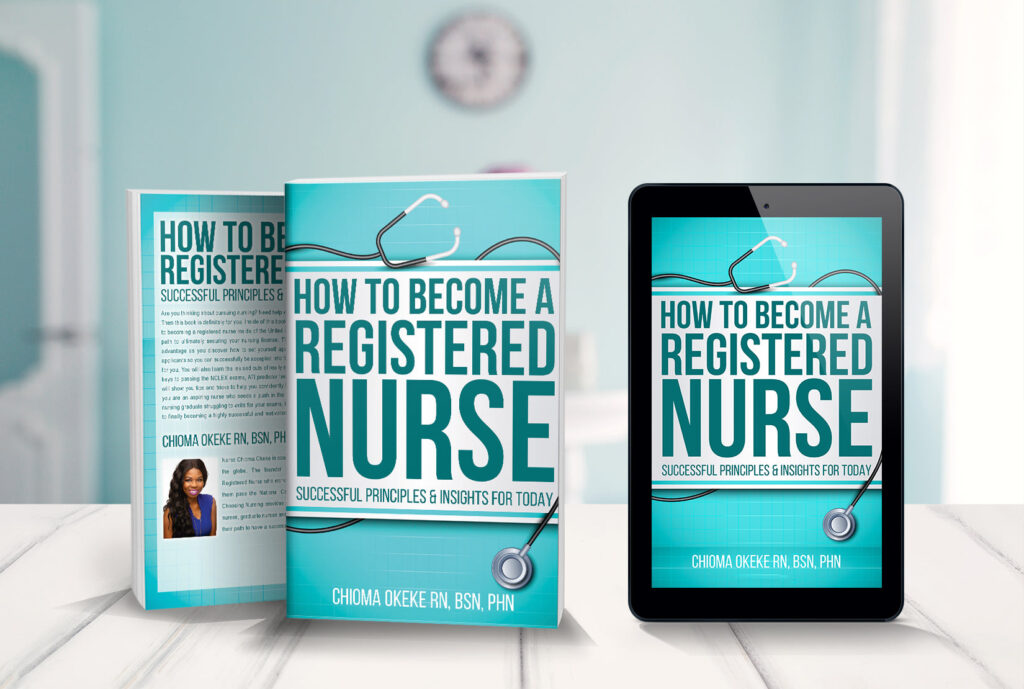
Order Now: How To Become A Registered Nurse Book
4. Consider Expungement or Record Sealing
Depending on your state laws and the nature of your offense, you may be able to have your record expunged or sealed. This means the offense would no longer appear on most background checks, improving your chances of acceptance into a nursing program and later obtaining licensure.
5. Prepare a Strong Personal Statement
If you have a criminal record, a well-written personal statement can help explain your past and demonstrate personal growth. Focus on what you’ve learned, any rehabilitation efforts, and how you plan to use your nursing education to make a positive impact.
6. Obtain Character References
Strong character references from employers, educators, or community leaders can help strengthen your application. These letters can attest to your integrity, work ethic, and commitment to becoming a nurse.
7. Explore Alternative Pathways
If traditional nursing programs present challenges, consider other healthcare pathways. Some states offer licensed vocational nurse (LVN) or certified nursing assistant (CNA) programs that may have different admission policies.
8. Seek Legal or Professional Advice
If you’re unsure about how your record may impact your nursing career, consult an attorney or a professional familiar with healthcare licensing laws. They can provide guidance on how to navigate the application and licensing process.
Final Thoughts
Having a criminal record does not automatically disqualify you from becoming a nurse. By being honest, taking the necessary steps to address your past, and demonstrating your dedication to the profession, you can improve your chances of gaining admission to a nursing program and achieving your career goals.
If you’re considering nursing school but have concerns about your background, don’t lose hope. With the right approach, determination, and resources, your dream of becoming a nurse is still within reach.
Already in nursing school or taking your exams? Check out some of our courses to help you finish!
Recommended Study Resource
- TEAS Essentials https://amzn.to/43Gawmb
- 70 Diseases Book (Physical) https://www.amazon.com/dp/B0GJPGSL33
- 70 Diseases Book (Digital) https://choosingnursingstore.com/products/the-70-diseases-and-conditions-nclex-cheat-sheet
- NCLEX Bootcamp https://choosingnursingstore.com/products/30-days-nclex-bootcamp
- Cheat Sheet Bundle https://choosingnursingstore.com/products/the-ultimate-cheat-sheet-bundle