Dutch Hospital Quarantines Staff After Hantavirus Safety Protocol Breach
A hospital in the Netherlands recently made international headlines after several healthcare workers were placed under precautionary quarantine during an ongoing hantavirus outbreak linked to a cruise ship outbreak. The incident has sparked discussions worldwide about infection prevention, hospital preparedness, and the importance of strict safety protocols when caring for patients with emerging infectious diseases.
According to international health reports, 12 staff members at Radboud University Medical Center (Radboudumc) in Nijmegen, Netherlands, were quarantined after they reportedly handled blood and urine samples from a hantavirus patient without using the highest level of recommended protective precautions. Hospital officials stated that the overall risk of infection remained low, but the quarantine was implemented out of caution and to protect both healthcare workers and the public. (Reuters)
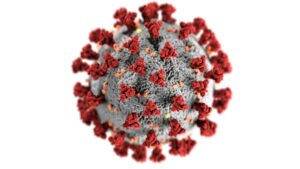
What Is Hantavirus?
Hantavirus is a rare but potentially serious viral infection most commonly spread through contact with infected rodents, especially through exposure to rodent urine, droppings, or saliva. In some cases, people may become infected by breathing in contaminated particles from the air.
There are several different strains of hantavirus around the world. Most hantavirus infections are not easily spread between humans. However, the Andes strain — the strain involved in the recent cruise ship outbreak — is one of the few known hantavirus strains that may spread from person to person through close contact. (The Guardian)

Symptoms of hantavirus infection can initially resemble the flu and may include:
- Fever
- Muscle aches
- Fatigue
- Headache
- Nausea
- Cough
- Shortness of breath
In severe cases, the illness can progress into hantavirus pulmonary syndrome (HPS), a dangerous condition that affects the lungs and breathing.
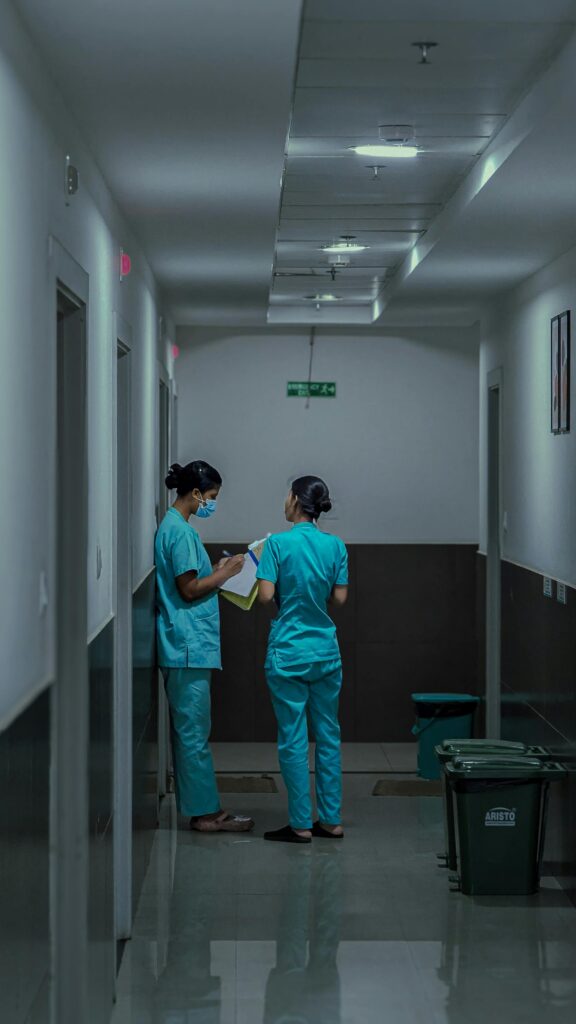
What Happened at the Dutch Hospital?
The patient involved had reportedly been connected to the larger outbreak aboard the cruise ship MV Hondius, where multiple confirmed infections and deaths had already occurred. As healthcare teams worked quickly to treat patients and contain the outbreak, hospital staff in Nijmegen accidentally handled potentially infectious bodily fluids before enhanced safety procedures were fully implemented. (Reuters)
The hospital responded by:
- Placing 12 workers under preventive quarantine
- Monitoring exposed staff for symptoms
- Continuing patient care under stricter isolation measures
- Reinforcing infection control protocols
Officials emphasized that the quarantine was a precautionary measure rather than evidence that staff had become infected. (Reuters)
Why Infection Control Protocols Matter
This incident serves as an important reminder that infection prevention measures in healthcare settings are critical, especially during emerging outbreaks.
Healthcare workers regularly encounter blood, urine, respiratory secretions, and other bodily fluids that may carry infectious organisms. Standard precautions help reduce the risk of transmission and typically include:
- Proper hand hygiene
- Gloves
- Gowns
- Masks or respirators
- Eye protection
- Safe specimen handling
- Isolation procedures when necessary
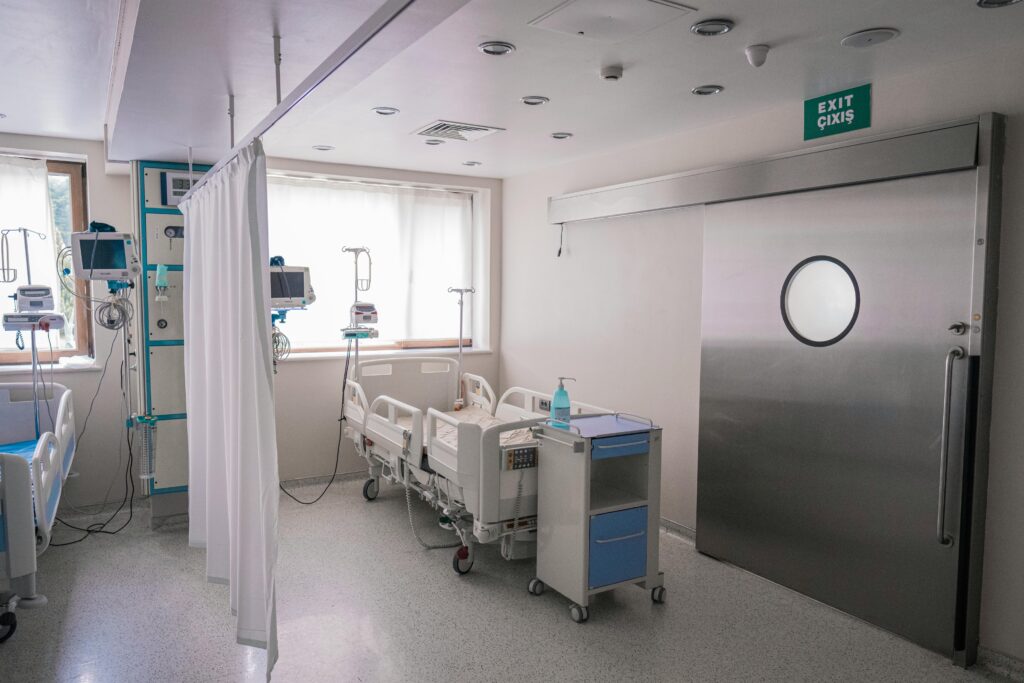
When dealing with diseases that may spread through close contact or contaminated fluids, hospitals may implement additional airborne or enhanced isolation protocols.
Rapidly evolving outbreaks can create challenges because healthcare systems must quickly update procedures as new information becomes available. Experts noted that the Dutch hospital incident highlighted how difficult it can sometimes be for healthcare teams to rapidly adapt to changing guidance during emerging infectious disease situations. (Reuters)
Is the Public at High Risk?
Health organizations including the World Health Organization (WHO) have stated that the overall public risk remains low. Officials have also clarified that this outbreak is not comparable to the COVID-19 pandemic. Current evidence suggests that hantavirus transmission generally requires close or prolonged exposure rather than casual contact. (ABC News)
Still, health authorities continue monitoring exposed individuals because hantavirus can have a long incubation period, meaning symptoms may not appear immediately after exposure.
Lessons for Healthcare Workers and Students
For nurses, nursing students, and healthcare professionals, this outbreak highlights several important lessons:
1. Never underestimate standard precautions
Even when the risk appears low, proper PPE and specimen handling protocols remain essential.
2. Emerging diseases require flexibility
Healthcare guidelines may rapidly change during outbreaks as scientists learn more about a virus.
3. Early symptoms can resemble common illnesses
Many dangerous infectious diseases begin with mild flu-like symptoms, making early recognition difficult.
4. Communication is critical
Hospitals must quickly communicate updated protocols to frontline workers to prevent accidental exposures.
Final Thoughts
The situation in the Netherlands demonstrates how hospitals around the world must stay prepared for rare infectious disease outbreaks. While the likelihood of widespread hantavirus transmission remains low, the incident underscores the importance of rapid response systems, proper PPE usage, and continuous infection prevention training.
For healthcare workers, this serves as another reminder that safety protocols are designed not only to protect patients, but also to protect the medical teams providing care during uncertain and evolving situations.
Sources:
- Reuters – Dutch hospital quarantines workers after hantavirus exposure
- The Guardian – Cruise ship hantavirus outbreak coverage
- ABC News – Live updates on the MV Hondius hantavirus outbreak
- Centers for Disease Control and Prevention (CDC) – Hantavirus information page
- World Health Organization (WHO) – Hantavirus overview
Additional Reading
- How to Turn Your NCLEX Knowledge Into a Six-Figure Business https://choosingnursing.net/how-to-turn-your-nclex-knowledge-into-a-six-figure-business/
- I’ve Applied to Over 100 Nursing Jobs Places and Nothing! Now What? https://choosingnursing.net/applied-to-over-100-nursing-jobs/
- Which Specialty Should I Choose? https://choosingnursing.net/which-specialty-should-i-choose/
- How to Use the STAR Method to Ace Any Nursing Interview (With Examples) https://choosingnursing.net/how-to-use-the-star-method/
- Black ICU Nurse Wins $20 Million Lawsuit Against Hospital https://choosingnursing.net/black-icu-nurse-20-million-lawsuit-verdict/
- Barabanki YouTube Surgery Case: Woman Dies After Fake Doctor Attempts Surgery Using YouTube Tutorial https://choosingnursing.net/barabanki-youtube-surgery-medical-negligence-case/
- Top 10 States Where Nurses Earn the Most After Cost of Living (2026) https://choosingnursing.net/nurses-pay-adjusted-for-cost-of-living/
- Nurse Salary by State 2026: Top Paying Locations https://choosingnursing.net/nurse-salary-by-state-206-top-paying/