NCLEX Registration Fee Increasing From $200 to $350: What This Could Mean for Nursing Graduates
Nursing graduates preparing to take the NCLEX will soon face a significantly higher cost to become licensed.
Beginning February 1, 2027, the U.S. NCLEX registration fee will increase from $200 to $350, according to the National Council of State Boards of Nursing (NCSBN).
That is a $150 increase — or 75% — in the cost of registering for the exam.
For first-time test takers, the increase adds another expense to an already costly journey through nursing school and into professional licensure.
But the impact could be even greater for repeat NCLEX test takers, who must pay the registration fee again each time they register for another attempt.
How Much Will the NCLEX Cost in 2027?
The current U.S. NCLEX registration fee is $200.
Beginning February 1, 2027, that fee will increase to:
$350 per registration
According to NCSBN, candidates who register and pay for the NCLEX before February 1, 2027 will still receive the $200 registration fee, even if their actual testing appointment takes place after the new fee goes into effect.
The fee increase applies to both the NCLEX-RN and NCLEX-PN.
NCSBN has stated that this is the first increase to the U.S. NCLEX registration fee since 2000. The organization cited rising costs associated with exam administration, security, data protection, technology and other operational expenses as factors behind the increase.
The Bigger Concern: Repeat NCLEX Test Takers
The increase becomes especially significant when you consider nursing graduates who don’t pass the NCLEX on their first attempt.
Every new registration means paying the registration fee again.
Under the current $200 fee:
- 1 attempt = $200
- 2 attempts = $400
- 3 attempts = $600
At the new $350 fee:
- 1 attempt = $350
- 2 attempts = $700
- 3 attempts = $1,050
A nursing graduate who takes the NCLEX three times could therefore spend more than $1,000 on NCLEX registration fees alone.
And those aren’t necessarily the only expenses involved.
Depending on the candidate and state, there may also be nursing board application or reapplication fees, fingerprinting and background-check costs, transportation expenses, study materials, review programs and other costs associated with becoming licensed.
For some international candidates, additional fees may also apply.
Could the Higher NCLEX Fee Cause Candidates to Delay Retesting?
This is one of the biggest questions surrounding the change.
Failing the NCLEX is already an emotional and financial setback. A graduate may have completed years of nursing school but still be unable to begin working as an RN or LPN until they pass the licensing examination.
Now imagine failing and realizing that simply registering for your next attempt will cost another $350.
For some graduates, paying that amount immediately may not be realistic.
Instead of registering for another examination as soon as they become eligible, some repeat test takers may decide to work, save money and wait longer before trying again.
Others may become significantly more cautious about testing before they feel prepared.
That could potentially increase the amount of time some nursing graduates spend between graduation and becoming licensed.
A $350 NCLEX Attempt Changes the Importance of Preparation
There could also be another effect from the higher fee:
Candidates may become much more serious about preparing before they schedule their examination.
When an NCLEX attempt costs $350, taking the exam simply to “see what happens” becomes an expensive gamble.
For first-time candidates, the financial consequences of failing become greater.
For repeat test takers, another unsuccessful attempt could mean paying another $350 just to register again.
This could lead candidates to spend more time studying, answering practice questions, reviewing their weak areas and evaluating whether they are actually ready before sitting for the examination.
In other words, the higher registration fee could make NCLEX readiness more important than ever.
Could This Affect the NCLEX Prep Industry?
Potentially.
At first, it may seem that increasing the NCLEX fee would leave nursing graduates with less money available to purchase study materials or review programs.
For some candidates, that will probably be true.
But the opposite effect may happen as well.
When the examination itself costs $350 per attempt, candidates may view preparation as an investment designed to reduce the risk of having to pay another registration fee.
A student considering spending $50, $100 or $150 on additional preparation may compare that expense differently when another unsuccessful NCLEX attempt could cost $350.
That means NCLEX preparation companies will also have a responsibility to demonstrate clearly how their resources help candidates prepare rather than relying on fear surrounding the price increase.
No legitimate NCLEX preparation program can guarantee that a candidate will pass simply because they purchased a course.
Ultimately, candidates still have to study, understand the material, develop clinical judgment and demonstrate competency on examination day.
Could This Create Another Barrier to Entering the Nursing Workforce?
This may be the larger issue for the nursing profession.
Nursing students already invest significant amounts of money into their education.
Tuition, textbooks, uniforms, clinical requirements, transportation, background checks, licensing applications and other expenses can add up long before a graduate receives their first nursing paycheck.
The NCLEX represents one of the final barriers between completing nursing school and actually becoming a licensed nurse.
Increasing that barrier from $200 to $350 may not stop most nursing graduates from eventually pursuing licensure.
However, it could disproportionately affect graduates who are already experiencing financial hardship — particularly candidates who have failed previously and need to register multiple times.
Consider a graduate who has already failed twice.
Under the new fee structure, attempting the NCLEX three times would mean spending $1,050 in registration fees.
Meanwhile, that graduate may still be unable to earn an RN or LPN salary because they haven’t obtained their license.
That creates an uncomfortable situation for the nursing profession: candidates who have already completed their nursing education may face increasing financial costs during the final step required to enter the licensed workforce.
There May Be a Rush to Register Before February 1
Candidates planning to take the NCLEX in early 2027 should pay particularly close attention to the effective date.
NCSBN has indicated that the registration date determines which fee candidates pay.
That means candidates who register and pay before February 1, 2027 can receive the current $200 registration price even if their testing appointment occurs after the fee increase takes effect.
For someone who already plans to take the NCLEX around that period, registering before the deadline could save $150.
Candidates should still make testing decisions based on their individual eligibility, Authorization to Test requirements and readiness rather than rushing into an examination solely because of the fee change.
What Nursing Graduates Should Do Now
If you’re planning to take the NCLEX, this announcement is another reason to approach your examination strategically.
Know the rules and deadlines associated with your state board of nursing. Understand when you are eligible to register and test. Give yourself adequate time to prepare.
Most importantly, don’t begin measuring your NCLEX preparation simply by how many hours you’ve studied.
Ask yourself whether you can consistently apply nursing knowledge to NCLEX-style questions, identify priorities, recognize changes in patient condition and make safe clinical decisions.
For repeat test takers, your preparation should also include evaluating why your previous attempt was unsuccessful and changing your study strategy accordingly.
Doing more of exactly what you did before may not produce a different result.
The Bottom Line
The increase of the U.S. NCLEX registration fee from $200 to $350 represents a major change for nursing graduates.
For first-time candidates, it makes an already expensive licensing process more costly.
For repeat test takers, the financial consequences can compound quickly: two registrations would cost $700, while three would cost $1,050.
We won’t know the full effect of the increase until candidates begin experiencing the new pricing in 2027. But it is reasonable to expect that affordability, testing behavior and preparation decisions could all be affected.
One thing is clear:
At $350 per attempt, nursing graduates have even more reason to walk into the NCLEX prepared rather than treating an attempt like a practice run.
For candidates preparing for their first attempt — or trying to make their next attempt their last — Choosing Nursing’s NCLEX Blueprint Review Course provides more than 100 hours of video review, 700 NCLEX-style practice questions with rationales, nursing study resources and a community designed to help candidates strengthen their preparation before exam day.
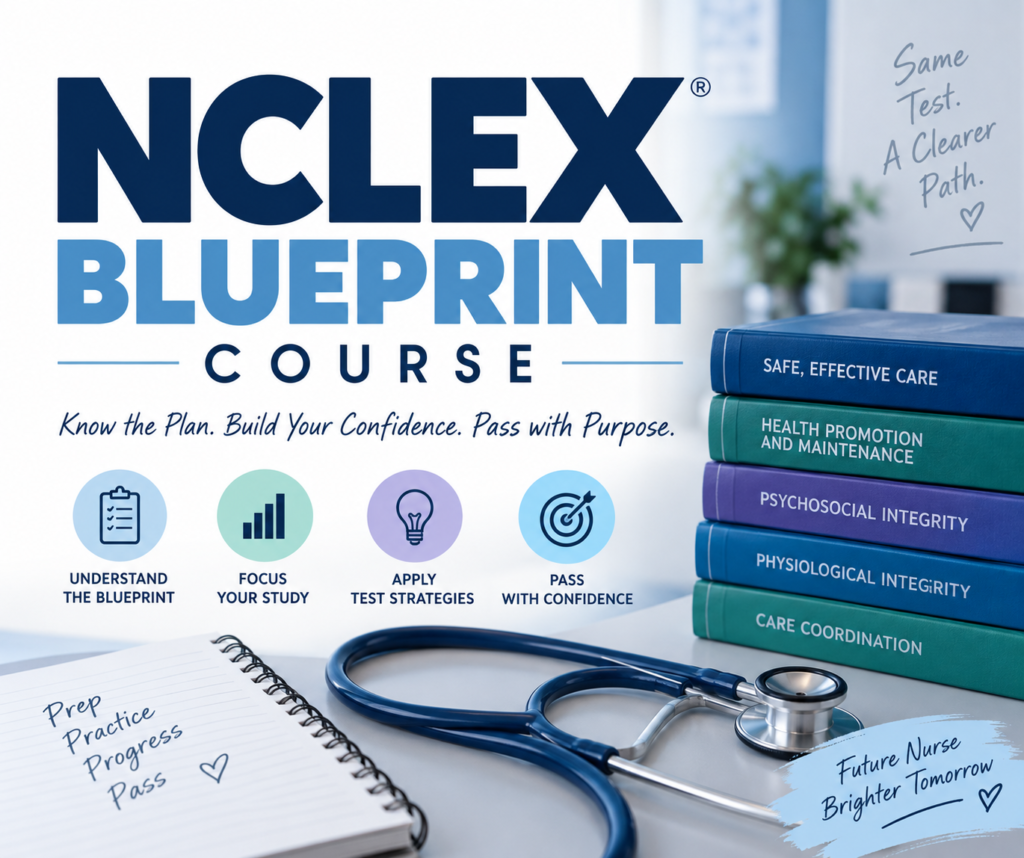
Because when an NCLEX registration costs $350, preparing seriously before test day matters more than ever.
Choosing Nursing provides educational information and NCLEX preparation resources. Candidates should verify current examination fees, eligibility requirements and registration policies directly with NCSBN, Pearson VUE and their applicable nursing regulatory body.