70 Diseases and Conditions Every Nursing Student Should Know
Nursing school requires you to learn an enormous amount of information—and diseases and disorders are at the center of much of it.
One minute you’re studying heart failure and the next you’re expected to understand diabetic ketoacidosis, COPD, kidney failure, stroke, electrolyte imbalances, and dozens of medications.
It can feel overwhelming.
But here’s the good news: you don’t have to memorize every fact about every disease at once.
A better approach is to learn the key patterns that help you understand what is happening to the patient, recognize important symptoms, identify priority nursing interventions, and connect the disease process to the medications and laboratory values you see.
In this guide, we’re breaking down 70 important diseases and conditions nursing students should become familiar with throughout nursing school and while preparing for the NCLEX.
Related Content
-
5 Clinical Concepts Every Nurse Should Understand
-
How To Understand Med Surg
-
Respiratory Disorders You Should Know
How Should Nursing Students Study Diseases and Conditions?
Before jumping into the list, it’s important to know how to study a disease.
Instead of memorizing random facts, try studying every condition using the same framework:
1. What is happening?
Start with the basic pathophysiology.
Ask yourself:
What is going wrong inside the body?
You don’t necessarily need an extremely detailed explanation. You need enough understanding to explain why the patient develops certain symptoms.
2. What will the patient look like?
Learn the major signs and symptoms.
Pay particular attention to symptoms that indicate the patient’s condition is getting worse.
3. What should I assess?
Think about the assessments that matter most for this particular disease.
That might include:
- Respiratory status
- Neurological status
- Blood pressure
- Heart rhythm
- Urine output
- Blood glucose
- Fluid status
- Pain
- Laboratory values
4. What are the priority nursing interventions?
Ask yourself:
What does the nurse need to do first?
This is especially important for nursing exams and NCLEX-style questions.
5. What labs or diagnostic tests matter?
Instead of memorizing laboratory values separately, connect them to diseases.
For example, potassium becomes much easier to remember when you’re studying conditions in which potassium abnormalities can become dangerous.
6. What medications might I see?
Connect medications to the condition rather than trying to memorize an enormous medication list independently.
Cardiovascular Diseases and Conditions
1. Hypertension
Hypertension is persistently elevated blood pressure.
Many patients may have few or no obvious symptoms, which is one reason hypertension can go unnoticed for years.
Over time, uncontrolled hypertension can damage blood vessels and increase the risk of complications involving the heart, brain, kidneys, and other organs.
Nursing students should understand blood-pressure monitoring, medication adherence, lifestyle modification, and signs of hypertensive emergencies.
2. Heart Failure
Heart failure occurs when the heart cannot pump blood effectively enough to meet the body’s needs.
Depending on the type and severity, patients may experience:
- Shortness of breath
- Fatigue
- Peripheral edema
- Weight gain
- Exercise intolerance
- Crackles
- Orthopnea
Daily weights can be particularly important because rapid weight gain may indicate fluid retention.
3. Myocardial Infarction
A myocardial infarction occurs when blood flow to part of the heart muscle becomes blocked long enough to cause myocardial injury.
Possible symptoms include chest pressure or discomfort, shortness of breath, diaphoresis, nausea, weakness, and pain or discomfort that may radiate.
Not every patient presents in exactly the same way.
Nursing students should understand the importance of rapid assessment and the role of ECGs, cardiac biomarkers, medications, and timely treatment.
4. Coronary Artery Disease
Coronary artery disease develops when the coronary arteries become narrowed or obstructed, commonly because of atherosclerosis.
Reduced coronary blood flow can contribute to angina and increase the risk of myocardial infarction.
Understanding risk factors and recognizing symptoms of myocardial ischemia are important nursing concepts.
5. Atrial Fibrillation
Atrial fibrillation is an irregular cardiac rhythm originating in the atria.
Two major concerns are:
Rate/rhythm problems and thromboembolic complications such as stroke.
Nursing students should understand rhythm assessment, anticoagulation considerations, and medications used for rate or rhythm control.
6. Peripheral Arterial Disease
Peripheral arterial disease involves reduced arterial blood flow, commonly affecting the lower extremities.
Patients may experience intermittent claudication, cool extremities, diminished pulses, and delayed wound healing.
Because circulation is compromised, careful assessment of the extremities is important.
7. Deep Vein Thrombosis
A DVT is a blood clot that develops within a deep vein, frequently in the leg.
The major danger is that part of the clot can travel to the lungs and cause a pulmonary embolism.
Possible findings include unilateral swelling, warmth, discomfort, and redness, although presentation varies.
Respiratory Diseases and Conditions
8. Asthma
Asthma involves airway inflammation and narrowing that can cause wheezing, coughing, chest tightness, and shortness of breath.
Students should understand the difference between rescue and maintenance medications and recognize signs of worsening respiratory distress.
9. Chronic Obstructive Pulmonary Disease
COPD is a chronic respiratory disease characterized by persistent airflow limitation.
Patients may experience:
- Dyspnea
- Chronic cough
- Sputum production
- Decreased exercise tolerance
Respiratory assessment, oxygenation, medications, smoking cessation, and recognition of exacerbations are important nursing considerations.
10. Pneumonia
Pneumonia is an infection of the lungs that can interfere with normal gas exchange.
Patients may develop fever, cough, sputum production, shortness of breath, fatigue, chest discomfort, and abnormal lung sounds.
Older adults may sometimes present differently, including with confusion or functional decline.
11. Pulmonary Embolism
A pulmonary embolism occurs when material—most commonly a blood clot—obstructs blood flow through the pulmonary circulation.
Possible findings include sudden shortness of breath, chest pain, tachycardia, hypoxemia, and anxiety.
A suspected pulmonary embolism requires prompt evaluation.
12. Acute Respiratory Distress Syndrome
ARDS is a severe inflammatory lung condition associated with impaired oxygenation.
Patients can develop profound hypoxemia and require intensive respiratory support.
Understanding oxygenation, ventilation, and respiratory assessment becomes particularly important when studying ARDS.
13. Pneumothorax
A pneumothorax occurs when air enters the pleural space and can cause partial or complete collapse of a lung.
Patients may develop sudden chest pain, dyspnea, decreased breath sounds, and other signs of respiratory distress.
A tension pneumothorax is an emergency.
14. Tuberculosis
Tuberculosis is an infectious disease caused by Mycobacterium tuberculosis.
Nursing students should understand transmission precautions, screening, medication adherence, and the importance of completing the prescribed treatment regimen.
Endocrine Diseases and Conditions
15. Type 1 Diabetes Mellitus
Type 1 diabetes results from destruction of pancreatic beta cells, leading to little or no endogenous insulin production.
Patients therefore require insulin.
Students should understand glucose monitoring, insulin administration, hypoglycemia, hyperglycemia, and sick-day management.
16. Type 2 Diabetes Mellitus
Type 2 diabetes involves insulin resistance and progressive impairment of glucose regulation.
Management may include lifestyle interventions, oral or injectable medications, and insulin.
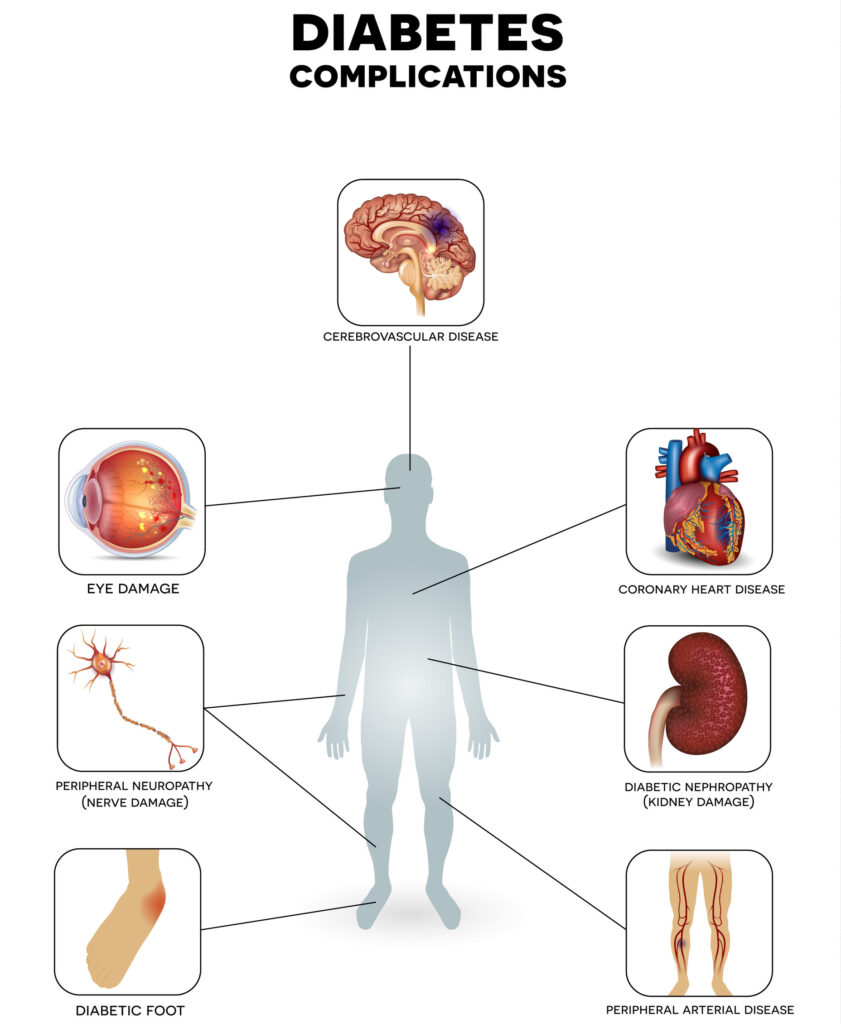
Long-term uncontrolled diabetes can affect the cardiovascular system, kidneys, eyes, nerves, and other organs.
17. Diabetic Ketoacidosis
DKA is an acute, potentially life-threatening complication most commonly associated with significant insulin deficiency.
The body begins breaking down fat, producing ketones and metabolic acidosis.
Common concerns include:
- Severe hyperglycemia
- Dehydration
- Ketosis
- Metabolic acidosis
- Electrolyte abnormalities
Treatment commonly involves IV fluids, insulin, electrolyte monitoring and replacement when indicated, and treatment of the precipitating cause.
18. Hyperosmolar Hyperglycemic State
HHS typically involves extremely high blood glucose, profound dehydration, and hyperosmolarity with little or no significant ketoacidosis compared with DKA.
Neurological changes can occur.
Fluid replacement and careful monitoring are major components of treatment.
19. Hypothyroidism
Hypothyroidism occurs when thyroid hormone activity is insufficient.
Patients may experience fatigue, cold intolerance, weight gain, constipation, dry skin, and slowed physiological processes.
20. Hyperthyroidism
Hyperthyroidism involves excessive thyroid hormone activity.
Possible findings include weight loss, heat intolerance, tachycardia, anxiety, tremor, and increased metabolic activity.
Students should also recognize thyroid storm as a potentially life-threatening complication.
21. Addison’s Disease
Addison’s disease involves adrenal insufficiency.
Patients may develop fatigue, hypotension, electrolyte abnormalities, weight loss, and other manifestations related to inadequate adrenal hormones.
Adrenal crisis is an emergency.
22. Cushing Syndrome
Cushing syndrome results from prolonged excessive cortisol exposure.
Possible findings include central weight gain, skin changes, hypertension, hyperglycemia, muscle weakness, and increased susceptibility to infection.
Neurological Diseases and Conditions
23. Stroke
A stroke occurs when blood flow to part of the brain is interrupted or when bleeding occurs within or around the brain.
Common warning signs can include sudden:
- Facial weakness
- Arm weakness
- Speech difficulty
- Vision changes
- Balance problems
- Severe headache
Rapid recognition is critical because treatment is time-sensitive.
24. Transient Ischemic Attack
A TIA causes temporary neurological symptoms resulting from transient disruption of cerebral blood flow without the persistent infarction characteristic of an ischemic stroke.
A TIA should be taken seriously because it can indicate increased risk of a future stroke.
25. Seizure Disorders
Seizures result from abnormal electrical activity in the brain.
During a seizure, nursing priorities include protecting the patient from injury, maintaining safety, observing seizure characteristics, and supporting the airway as appropriate.
26. Meningitis
Meningitis is inflammation of the membranes surrounding the brain and spinal cord.
Possible symptoms include fever, headache, neck stiffness, altered mental status, and photophobia.
Some forms require specific isolation precautions.
27. Parkinson’s Disease
Parkinson’s disease is a progressive neurological disorder associated with impaired movement.
Common manifestations include tremor, rigidity, bradykinesia, and postural instability.
28. Multiple Sclerosis
Multiple sclerosis is an immune-mediated disease affecting the central nervous system.
Symptoms can vary considerably and may involve vision, sensation, movement, balance, fatigue, and other neurological functions.
Renal and Urinary Conditions
29. Acute Kidney Injury
AKI involves a sudden decline in kidney function.
Nursing students should closely connect AKI with:
- Creatinine
- BUN
- Potassium
- Fluid balance
- Urine output
One major concern is the development of dangerous electrolyte abnormalities.
30. Chronic Kidney Disease
CKD involves progressive loss of kidney function over time.
Advanced disease can affect fluid balance, electrolytes, red blood cell production, blood pressure, bone health, and many other systems.
31. Urinary Tract Infection
UTIs commonly cause urinary frequency, urgency, dysuria, and suprapubic discomfort.
If infection spreads to the kidneys, patients may develop systemic symptoms and flank pain.
32. Pyelonephritis
Pyelonephritis is an infection involving the kidney.
Patients may experience fever, flank pain, nausea, urinary symptoms, and other signs of infection.
33. Kidney Stones
Renal calculi can cause severe pain as stones travel through the urinary tract.
Patients may experience flank pain, hematuria, nausea, and urinary symptoms.
Gastrointestinal and Hepatic Conditions
34. Gastroesophageal Reflux Disease
GERD occurs when gastric contents reflux into the esophagus.
Common symptoms include heartburn and regurgitation.
35. Peptic Ulcer Disease
Peptic ulcers are lesions involving the stomach or duodenal lining.
Students should understand common causes, including H. pylori infection and NSAID use, as well as potential complications such as gastrointestinal bleeding.
36. Gastrointestinal Bleeding
GI bleeding can occur in the upper or lower gastrointestinal tract.
Assessment should include hemodynamic stability and signs of blood loss.
Severe bleeding can lead to hypovolemic shock.
37. Crohn’s Disease
Crohn’s disease is an inflammatory bowel disease that can affect different portions of the gastrointestinal tract.
Patients may experience abdominal pain, diarrhea, weight loss, nutritional problems, and periods of exacerbation and remission.
38. Ulcerative Colitis
Ulcerative colitis is an inflammatory bowel disease affecting the colon.
Common manifestations include diarrhea, rectal bleeding, abdominal discomfort, and urgency.
39. Bowel Obstruction
A bowel obstruction prevents normal movement of intestinal contents.
Possible symptoms include abdominal distention, pain, vomiting, and changes in bowel function.
40. Pancreatitis
Pancreatitis is inflammation of the pancreas.
Patients commonly experience significant abdominal pain and may develop systemic complications.
41. Cirrhosis
Cirrhosis involves progressive scarring and dysfunction of the liver.
Complications can include:
- Ascites
- Portal hypertension
- Varices
- Bleeding abnormalities
- Hepatic encephalopathy
42. Hepatitis
Hepatitis refers to inflammation of the liver and can have infectious, toxic, autoimmune, and other causes.
Understanding liver function tests and transmission precautions for viral hepatitis is important.
43. Cholecystitis
Cholecystitis is inflammation of the gallbladder, commonly associated with gallstones.
Patients may develop right upper-quadrant abdominal pain, nausea, vomiting, and other symptoms.
Hematologic Conditions
44. Iron-Deficiency Anemia
Iron-deficiency anemia occurs when the body lacks sufficient iron to produce adequate hemoglobin.
Patients may experience fatigue, weakness, pallor, shortness of breath, and reduced exercise tolerance.
45. Sickle Cell Disease
Sickle cell disease is an inherited blood disorder in which abnormal hemoglobin contributes to red blood cell sickling.
Complications can include painful vaso-occlusive episodes, anemia, infection, and organ damage.
46. Thrombocytopenia
Thrombocytopenia means the platelet count is abnormally low.
The lower the platelet count becomes, the greater the concern for bleeding.
47. Disseminated Intravascular Coagulation
DIC involves widespread activation of the coagulation system, which can result in both abnormal clot formation and serious bleeding.
It is typically secondary to another severe condition and requires urgent treatment of the underlying cause.
Infectious and Immune Conditions
48. Sepsis
Sepsis is life-threatening organ dysfunction caused by a dysregulated response to infection.
Early recognition is critical.
Students should pay attention to changes in:
- Mental status
- Blood pressure
- Respiratory status
- Heart rate
- Temperature
- Urine output
- Laboratory findings
Treatment is time-sensitive.
49. HIV
HIV attacks cells of the immune system and, without effective treatment, can progress to advanced immunodeficiency.
Modern antiretroviral therapy can suppress viral replication and substantially change the course of the disease.
50. Systemic Lupus Erythematosus
Lupus is an autoimmune disease that can affect multiple organ systems.
Symptoms and severity vary widely between patients.
51. Rheumatoid Arthritis
Rheumatoid arthritis is a chronic autoimmune inflammatory disease that primarily affects joints but may also have systemic effects.
Musculoskeletal Conditions
52. Osteoporosis
Osteoporosis causes decreased bone strength and increases fracture risk.
Fall prevention and fracture prevention are major nursing considerations.
53. Osteoarthritis
Osteoarthritis is a degenerative joint disease involving cartilage breakdown and changes within the joint.
Pain and decreased mobility are common.
54. Gout
Gout is an inflammatory arthritis associated with deposition of urate crystals in joints.
Attacks can cause sudden, severe joint pain, redness, swelling, and tenderness.
55. Fractures
Fractures are extremely common in clinical nursing.
Beyond pain management, nurses must assess circulation, sensation, movement, swelling, skin integrity, and potential complications.
Emergency and Critical-Care Conditions
56. Hypovolemic Shock
Hypovolemic shock occurs when significant loss of circulating volume results in inadequate tissue perfusion.
Potential causes include hemorrhage and severe fluid loss.
57. Cardiogenic Shock
Cardiogenic shock occurs when the heart cannot pump enough blood to adequately perfuse the body’s tissues.
It may occur following severe myocardial damage.
58. Septic Shock
Septic shock represents a severe subset of sepsis involving profound circulatory and metabolic abnormalities.
Patients require rapid assessment and aggressive treatment.
59. Anaphylaxis
Anaphylaxis is a severe systemic allergic reaction that can rapidly compromise the airway and circulation.
Recognizing airway swelling, respiratory distress, hypotension, and other manifestations is essential.
60. Burns
Severe burns can affect fluid balance, temperature regulation, infection risk, pain, respiratory function, and multiple organ systems.
The priorities change depending on the severity and stage of burn treatment.
Fluid, Electrolyte, and Acid-Base Disorders
These conditions are especially important because they appear throughout med-surg nursing.
61. Hyponatremia
Hyponatremia means the serum sodium concentration is low.
Neurological symptoms become particularly concerning as the abnormality becomes severe or develops rapidly.
62. Hypernatremia
Hypernatremia means the serum sodium concentration is elevated, often reflecting a relative deficit of water.
Neurological changes can occur.
63. Hypokalemia
Hypokalemia means potassium is low.
Because potassium is essential for normal neuromuscular and cardiac function, significant abnormalities can become dangerous.
64. Hyperkalemia
Hyperkalemia means potassium is elevated.
Severe hyperkalemia can cause potentially life-threatening cardiac conduction abnormalities and requires prompt recognition and treatment.
65. Hypocalcemia
Hypocalcemia can increase neuromuscular excitability.
Patients may experience numbness, tingling, muscle spasms, and other manifestations depending on severity.
66. Hypercalcemia
Hypercalcemia can affect the neurological, gastrointestinal, renal, musculoskeletal, and cardiovascular systems.
67. Metabolic Acidosis
Metabolic acidosis occurs when the body has too much acid or insufficient bicarbonate.
It can occur with conditions such as DKA, severe renal dysfunction, and certain forms of significant gastrointestinal bicarbonate loss.
68. Metabolic Alkalosis
Metabolic alkalosis involves an increase in bicarbonate relative to acid.
Prolonged vomiting and other causes of hydrogen ion loss are common concepts students encounter.
69. Respiratory Acidosis
Respiratory acidosis develops when inadequate ventilation causes carbon dioxide retention.
Think:
CO₂ goes up → pH goes down.
70. Respiratory Alkalosis
Respiratory alkalosis occurs when excessive ventilation causes too much carbon dioxide to be eliminated.
Think:
CO₂ goes down → pH goes up.
Don’t Try to Memorize All 70 at Once
Seeing 70 conditions on one page can feel intimidating.
Don’t study them as 70 unrelated sets of facts.
Instead, organize them by body system and repeatedly ask the same questions:
What’s happening?
What will I see?
What should I assess?
What could kill or seriously harm the patient?
What should the nurse do?
What labs should I monitor?
What medications or treatments should I recognize?
Once you begin studying this way, you’ll start seeing connections between diseases.
Heart failure connects to fluid overload.
Kidney failure connects to potassium.
COPD connects to respiratory acidosis.
DKA connects to metabolic acidosis, glucose, potassium, insulin, and fluid balance.
Sepsis connects to infection, perfusion, blood pressure, lactate, urine output, and shock.
Instead of memorizing hundreds of isolated facts, you’re building a framework.
Want All 70 Diseases and Conditions Organized Into One Study Resource?
If you’re tired of jumping between textbooks, lecture notes, screenshots, and dozens of websites trying to organize everything you need to know, we’ve created a resource to make studying easier.
The 70 Diseases & Conditions Nursing Study Guide from Choosing Nursing brings essential nursing concepts together in one organized resource designed for nursing students and NCLEX preparation.
Use it to review important diseases and conditions while connecting concepts such as:
- Signs and symptoms
- Nursing assessments
- Nursing interventions
- Medications
- Laboratory values
- Medical-surgical nursing concepts
- Fluid and electrolytes
- Acid-base balance
- NCLEX-style concepts
Study smarter by keeping the major concepts together instead of trying to piece everything together from multiple resources.
👉 Shop the 70 Diseases & Conditions Nursing Study Guide
Keep Learning
Mastering diseases and conditions takes repetition.
Bookmark this guide and return to it as you move through nursing school. When you encounter a disease in class or clinical, come back and connect it to the other concepts you’ve already learned.
The goal isn’t simply to memorize enough information to pass an exam.
The goal is to understand why your patient is experiencing what you’re seeing—and what you, as the nurse, need to recognize and do next.
Educational disclaimer: This content is intended for nursing education and general informational purposes only. It is not medical advice and should not replace your nursing program’s curriculum, current clinical guidelines, facility policies, or guidance from qualified healthcare professionals.